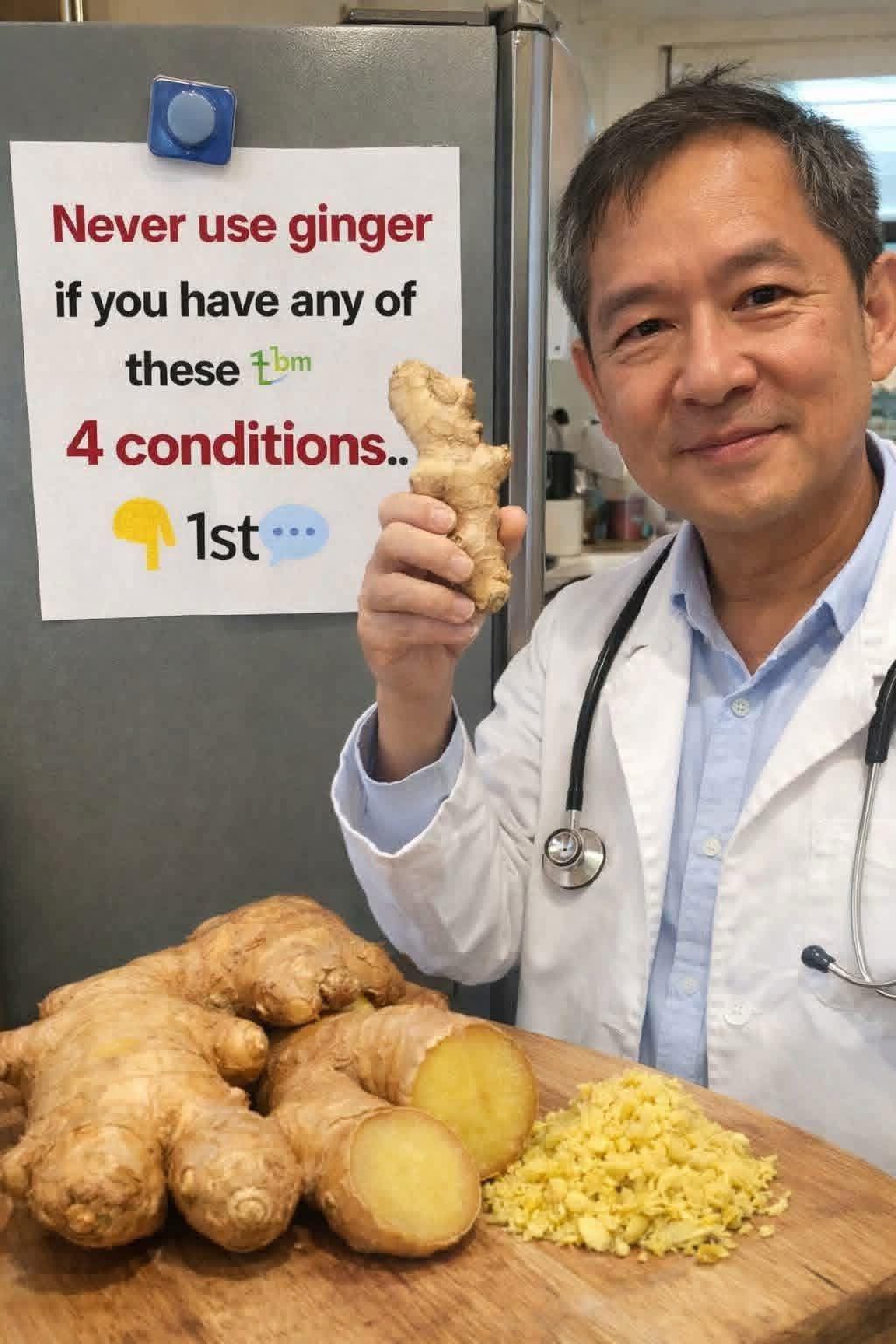
Ginger is a widely loved root known for its warm flavor and long history in traditional wellness practices. From soothing teas to flavorful meals, many people use ginger daily for its potential health benefits. However, like any natural ingredient, ginger isn’t suitable for everyone—especially when consumed in large amounts or in supplement form. Understanding when to use caution can help you enjoy ginger safely while protecting your overall health.
Why Ginger Is Popular for Everyday Wellness
Scientifically known as Zingiber officinale, ginger has been used for centuries to support digestion and relieve occasional nausea. Its active compounds, including gingerol, provide antioxidant and anti-inflammatory properties. Research highlighted by organizations such as National Center for Complementary and Integrative Health (NCCIH) suggests that moderate intake—typically up to about 4 grams daily from food sources—is generally well tolerated by healthy adults.
Many people add fresh ginger to meals, brew it into tea, or include it in home remedies without experiencing side effects. Still, individual responses vary depending on personal health conditions, dosage, and whether ginger is consumed fresh, dried, or as a supplement.
Four Situations Where Ginger Requires Extra Caution
1. Bleeding Disorders or Blood-Thinning Medications
Ginger may influence blood clotting. For individuals with bleeding disorders or those taking anticoagulants, high intake could increase bleeding risk. Medical resources like WebMD recommend consulting a healthcare provider before regular or high-dose use.
