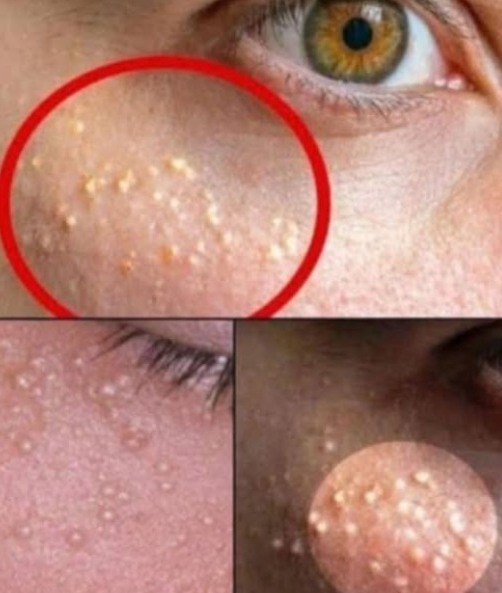
Unlike inflamed red pimples filled with pus, milia are microcysts formed by the accumulation of dead cells and keratin that clog the pores of the epidermis. They can appear after injury, burns, excessive sun exposure, laser treatments, peels, aggressive
A characteristic feature is that milia most often appear around the eyes or on the hands and cannot be squeezed out. They usually disappear on their own after a while, but due to their unattractive appearance, they often prompt people to seek help from a dermatologist to remove them.
Who is prone to milia?
Milia can appear on anyone, regardless of skin type. They are very common in babies because their skin needs more time to shed dead cells.
However, women are more prone to their appearance, especially after aggressive cosmetic procedures, sunburns, peels, or the use of heavy, oily creams.
Causes of occurrence
The main cause is the blockage of the channels that carry dead skin cells to the surface of the skin. This can be a result of trauma, burns, excessive exposure to UV rays, cosmetic procedures or oily products. In some cases, milia appear for no apparent reason.
Treatment and removal
Milia often disappear on their own, but when this does not happen or when they cause aesthetic discomfort, a visit to a dermatologist may be necessary.
Typically, the specialist uses a sterilized needle and makes a small incision to remove the cyst. The procedure is quick and leaves no scars. In rare cases, a mild exfoliant, scar cream, or soft scrub is prescribed.
How to prevent their occurrence?
To reduce the risk of recurrence, it is important to take proper skin care:
Avoid aggressive procedures and irritating factors such as burns, strong sun, excessive peels, rough exfoliants and oily creams.
Choose cosmetics suitable for your skin type (normal, dry, oily or combination).
Remove makeup with gentle products that do not irritate the skin.
Clean your face with warm water and pat dry with a soft towel to avoid irritation.
Exfoliate no more than 1–2 times a week, using gentle products.
Pay special attention to the area around the eyes, which is the most sensitive.
Use a moisturizer that is non-comedogenic and doesn’t clog pores.
Choose light and non-greasy decorative cosmetics (preferably in the form of powder).
A proper skin care routine is the best way to reduce the risk of milia and maintain a fresh and healthy appearance.
📌 This article is for informational purposes only. Do not self-medicate and always consult a qualified medical professional before applying any information from the text. The editorial team does not guarantee results and is not responsible for any damages resulting from its use.exfoliation or the use of too greasy creams.
