As we move through our 50s, 60s, and beyond, many of us notice small but meaningful changes in how our bodies respond to food. Energy doesn’t last quite as long. Digestion can become less predictable. Blood pressure, muscle comfort, and heart health often require more attention than they once did. These shifts are a normal part of aging, b
ut they also invite us to be more thoughtful about what we eat every day.
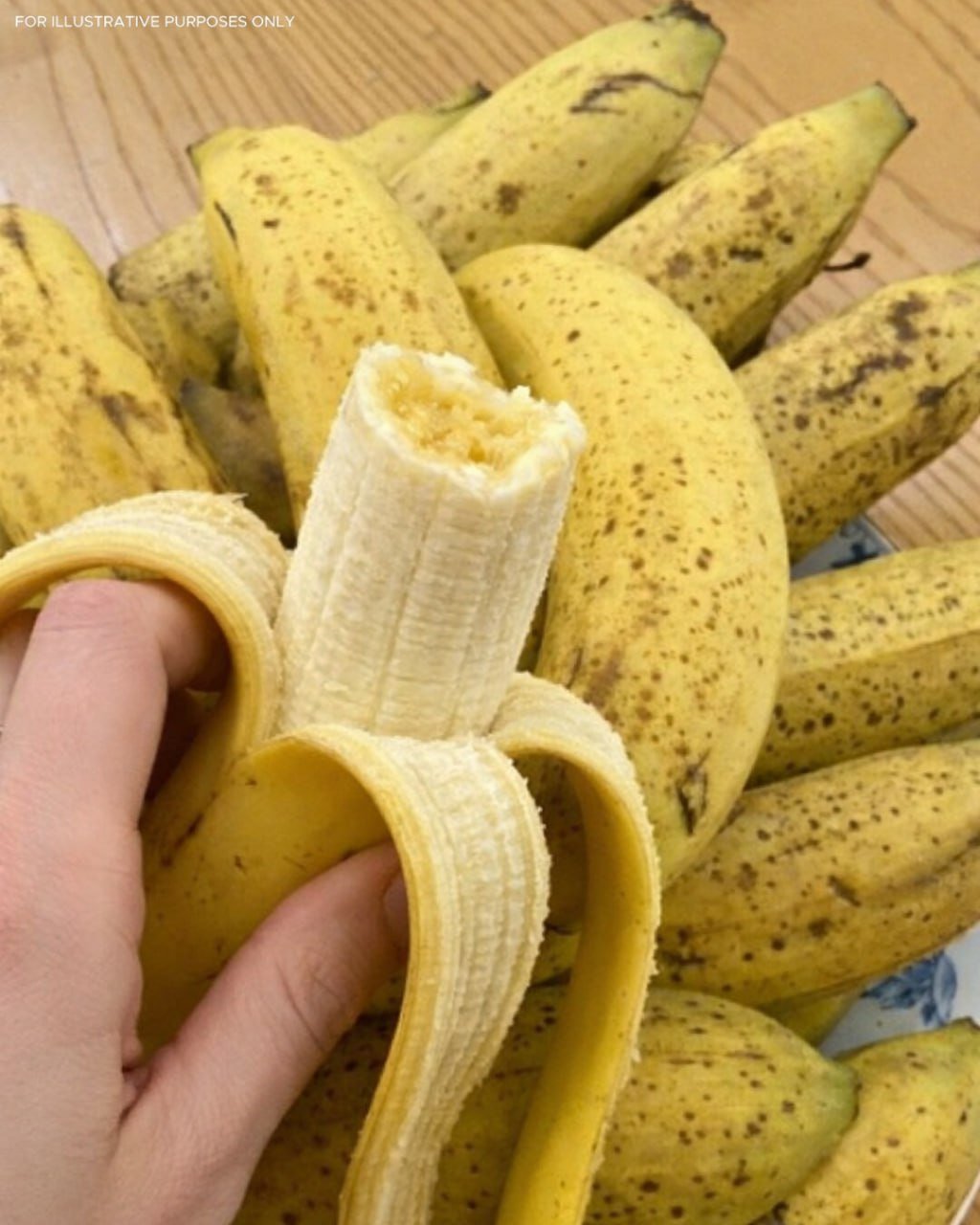
One surprisingly helpful food is also one of the simplest and most affordable items in the grocery store: the banana.
Often overlooked because it’s so familiar, the banana offers a combination of nutrients that can be especially supportive for adults over 50. Eating just one banana a day is not a cure or a medical treatment, but it may gently support several areas of health that commonly become more important with age.
Here’s a closer look at why this humble fruit deserves a regular place in an age-friendly diet.
Why Nutrition Matters More After 50
After midlife, the body processes nutrients differently. Metabolism naturally slows, which means we need fewer calories but more nutrient-dense foods. Digestion can become less efficient, making fiber intake more important. Muscle mass gradually declines, increasing the need for minerals that support movement and balance. Blood vessels lose elasticity, which can affect circulation and blood pressure.
Rather than chasing complicated diets or expensive supplements, many health professionals recommend focusing on simple, whole foods that provide consistent nutritional support. Bananas fit that description well.
Supports Healthy Blood Pressure
Blood pressure tends to become more sensitive with age, especially when sodium intake is high. One reason bananas are often recommended for older adults is their potassium content.
Potassium helps the body balance sodium levels by encouraging excess sodium to be excreted through the kidneys. This process can help ease pressure on blood vessel walls over time. According to the World Health Organization, adults benefit from a diet rich in potassium, with a general guideline of around 3,500 milligrams per day from food sources.
A medium banana provides roughly 400 milligrams of potassium. While that alone does not meet daily needs, it makes a meaningful contribution when combined with other potassium-rich foods such as leafy greens, beans, and certain vegetables.
Regular potassium intake has been associated with a lower likelihood of developing elevated blood pressure later in life, especially when part of an overall balanced diet.
Contributes to Heart Health
The heart relies on a steady balance of electrolytes to maintain a consistent rhythm. Potassium plays a central role in this process, helping regulate the electrical signals that keep the heart beating properly.
Bananas also contain small amounts of magnesium, another mineral that supports healthy blood vessels and circulation. Together, potassium and magnesium help promote smooth muscle function within blood vessel walls.
The American Heart Association notes that diets emphasizing fruits and vegetables rich in potassium are associated with a lower risk of heart-related concerns. Bananas are also naturally low in fat, contain no cholesterol, and require no processing, making them a heart-friendly alternative to many packaged snacks.
For adults over 50, replacing sugary or salty snacks with a banana can be a small step toward supporting long-term cardiovascular wellness.
