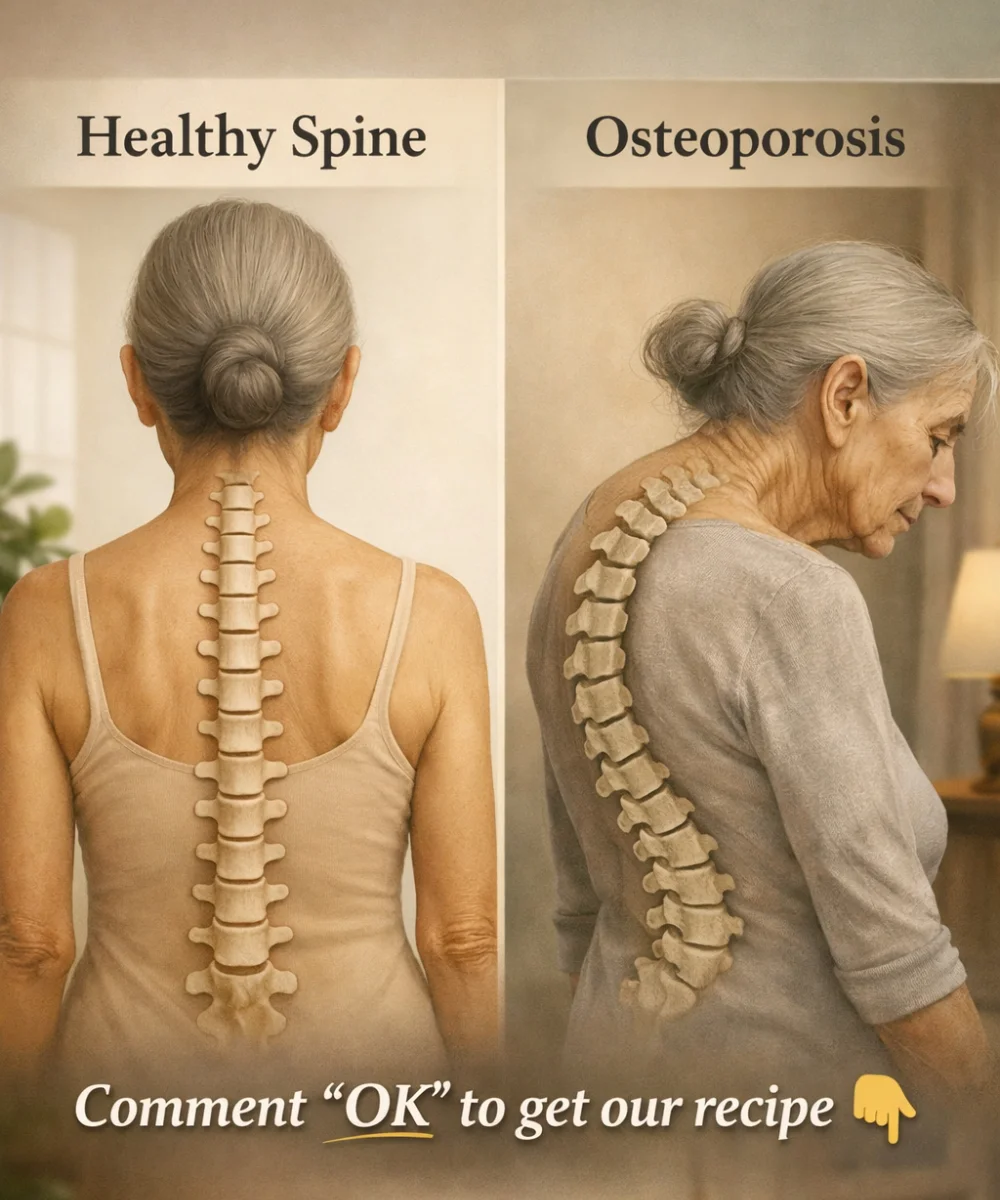
Osteoporosis in Menopause: Why Your Mom’s Back Is Hurting and What You Can Do
You go home for Christmas and notice your mom is standing a little more hunched than before. She rubs her lower back, moves more slowly, and complains about pain that “just won’t go away.” It’s easy to blame age or fatigue—but there may be something more going on.
One common and often silent cause is osteoporosis in menopause. This condition weakens bones, changes posture, and increases the risk of fractures, especially in the spine. Understanding it early can make a real difference in comfort, mobility, and quality of life.
What Is Osteoporosis?
Osteoporosis is a condition where bones become less dense and more fragile. Healthy bones are strong and slightly flexible. With osteoporosis, bones lose minerals (especially calcium), become porous, and break more easily—even from minor falls or everyday movements.
The spine, hips, and wrists are the most commonly affected areas. In many women, the first signs show up in the back: chronic pain, loss of height, or a stooped posture.
Why Menopause Increases the Risk
Estrogen plays a key role in protecting bone strength. During menopause, estrogen levels drop sharply, and bone loss speeds up. In fact, women can lose a significant amount of bone density in the first 5–10 years after menopause.
This is why osteoporosis is much more common in postmenopausal women. Over time, small fractures in the spine (called compression fractures) can cause:
A hunched or stooped posture
Chronic back pain
Loss of height
Reduced mobility and balance
These changes often happen gradually, so families may not notice them until pain or posture changes become obvious.
Signs and Symptoms to Watch For
Osteoporosis is often called a “silent disease” because bone loss happens without pain at first. But as it progresses, symptoms may include:
