
Rosacea is a very common skin condition characterized by redness and flushing. It is of 4 types:
- Erythematotelangiectatic type is characterized by persistent redness. Broken capillaries may be seen in the background.
- Papulopustular type presents with red papules, pustules, and redness. These usually appear on the cheeks, chin, and forehead
- Phymatous type present with skin thickening.
- Ocular rosacea affects the eyes.
Cause
The exact cause is not clear. Genetics, environmental factors, the immune system, and Demodex mites may play some role in it.
It can be precipitated by factors like spicy food, alcohol, stress, exercise, and extreme temperatures.
Treatment
It is treated with topicals like metronidazole, azelaic acid, and ivermectin. Oral antibiotics may be prescribed in some cases. Broken capillaries or telangiectasia and persistent redness may be improved with laser or intense pulsed light therapy.
25. Scabies

Scabies can present with itchy red lesions on the skin. These may form blisters. Intense itching can lead to open sores and secondary infection. The location of skin lesions may vary depending on the age.
- In young children, the commonly involved areas are the head and neck, palms, and soles.
- In adults, it usually involves skin folds, inside of the elbow or wrist, between the fingers, nipple, groin, or waist.
Cause
It is caused by a mite called Sarcoptes scabiei. It is very contagious and one can get it by coming in close contact with someone who has scabies or their personal items.
Treatment
Scabies does not resolve on its own and requires treatment. The treatment options include topicals with – permethrin (5%), benzyl benzoate (25%), crotamiton (10%), or sulfur (5 to 10%). Oral ivermectin may be needed in some cases.
26. Seborrheic dermatitis

Seborrheic dermatitis presents with red greasy patches covered with thick yellow scales, commonly on the face – on the sides of the nose and between eyebrows, scalp, ears, chest, and back.
These are usually associated with itching. In people with darker skin tones, it may present as dark reddish brown or hypopigmented spots.
Cause
The exact cause is not clear; however, Malassezia (a fungus), excessive oiliness, and skin barrier dysfunction may play a role in it. It is also associated with certain medications and neurological diseases.
Treatment
Mild cases may improve with the use of anti-dandruff shampoos with zinc pyrithione, ketoconazole, selenium sulfide, or salicylic acid.
Severe cases may require prescription topical antifungals, steroids, or oral medications.
27. Seborrheic keratosis

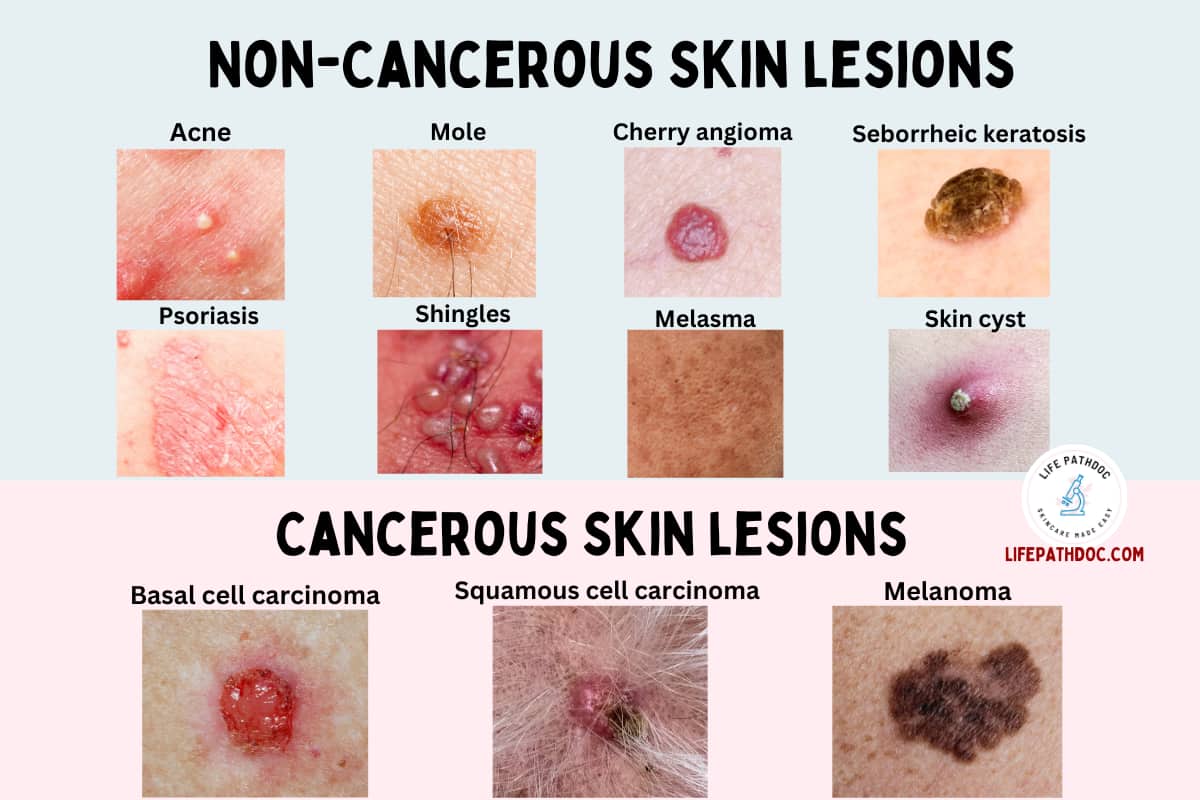
Seborrheic keratosis (also known as skin barnacles) is a non-cancerous skin growth that leads to brown, tan, or black flat or raised lesions, commonly on the face, chest, back, or neck. They have a waxy and stuck-on appearance.
Cause
The exact cause of why they occur is not known, however, genetics may play some role.
Treatment
They are harmless but may become irritated. If needed, they can be removed in a doctor’s office by freezing, shave excision, curettage, or lasers.
28. Shingles

Shingles, also called herpes zoster, is a viral infection that results in a painful blister rash. The condition typically begins with burning and itching sensations, followed by the appearance of red bumps.
These bumps subsequently form blisters, which eventually turn into crusts and scabs. Accompanying symptoms may include fever and fatigue.
The rash usually affects one side of the body, such as the left arm or left torso.
Cause
It occurs due to a type of herpes virus – Varicella-zoster virus. This is the same virus that causes chickenpox.
Once a person gets chickenpox, this virus stays in the body. It can reactivate later in life leading to shingles.
An outbreak can occur due to certain medications, stress, a weakened immune system, or underlying medical conditions like HIV, diabetes, or cancer.
The virus that causes shingles can spread to others who never had chickenpox or vaccination against it. In such people, it can lead to chicken pox and not shingles.
Treatment
Antiviral medications can help in faster healing and prevention of complications like persistent pain even after shingles are completely healed (this is called postherpetic neuralgia).
Medications to reduce pain like gabapentin or amitriptyline, may also be prescribed by your doctor.
Shingles can be prevented by the Shingrix vaccine which is considered 90% effective.
29. Skin cyst
NEXT PAGE
